
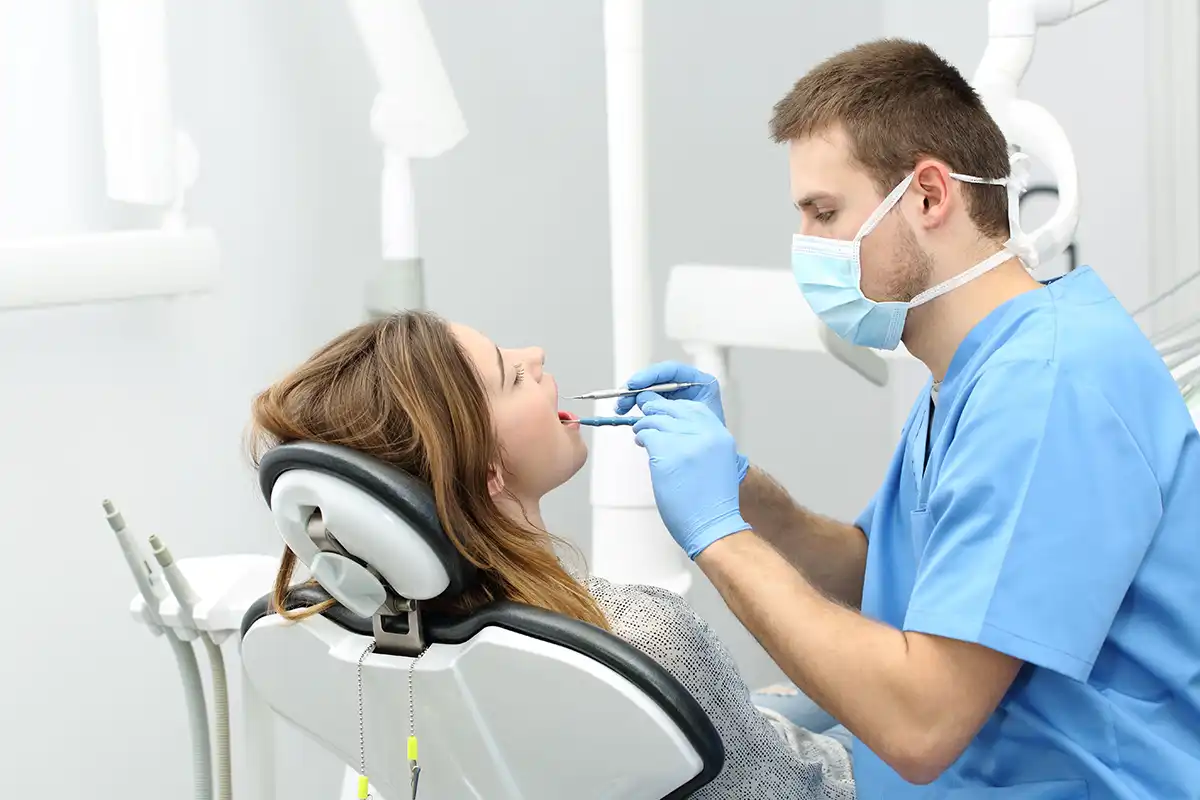
Dental implants are no longer seen as a specialist or experimental treatment, but as a predictable, evidence-based approach to restoring oral function and appearance. Unlike removable dentures or short-term cosmetic fixes, implants are designed to integrate with the jawbone and function like natural teeth. For patients seeking stability, comfort, and confidence, this option has reshaped expectations around tooth replacement. Many people now consult a cosmetic dentist London residents trust not only for aesthetics, but also for clinical longevity and oral health outcomes.
A cosmetic dentist from marylebonesmileclinic.co.uk notes that patients often underestimate how transformative dental implants can be beyond appearance alone. In their experience, implants frequently improve speech, chewing efficiency, and long-term oral stability in ways that other treatments cannot match. They advise patients to seek thorough assessments and evidence-based planning rather than focusing solely on cosmetic results. Those interested in understanding whether implants are suitable for them can visit this site or click here via the clinic’s website to review clinical information and consultation options.
Restoring Natural Function and Bite Stability
One of the most immediate benefits of dental implants is the restoration of natural chewing function. Missing teeth can significantly reduce bite force, forcing patients to avoid certain foods or chew unevenly. Over time, this imbalance can strain remaining teeth and jaw joints. Implants are anchored directly into the jawbone, allowing them to withstand normal chewing forces without movement or discomfort. This stability closely replicates the function of natural tooth roots, unlike dentures that rely on suction or adhesives.
Improved bite function also supports digestion and general health. When food is properly chewed, the digestive system works more efficiently, reducing strain on the stomach and intestines. Patients often report returning to a normal diet after implant treatment, including foods they had avoided for years. From a clinical perspective, restoring even bite distribution helps protect surrounding teeth from excessive wear and reduces the risk of fractures or further tooth loss. Functional improvement is therefore not a secondary benefit, but a central reason implants are recommended in modern dentistry.
Preserving Jawbone Health and Facial Structure
Tooth loss affects more than the visible smile; it also impacts the underlying bone. When a tooth root is missing, the surrounding jawbone gradually resorbs due to lack of stimulation. This process can lead to facial changes, including a sunken appearance around the mouth and jawline. Dental implants counteract this by stimulating the bone in the same way as natural tooth roots, helping to maintain bone density over time.
Preserving bone structure is particularly important for long-term oral health. Bone loss can compromise neighbouring teeth, alter bite alignment, and complicate future dental treatments. Implants help stabilise the jaw, maintaining facial proportions and reducing premature ageing associated with tooth loss. This structural benefit often goes unnoticed initially but becomes increasingly significant over the years. Patients who choose implants early after tooth loss tend to experience fewer complications and maintain more natural facial contours compared to those who delay treatment.
Long-Term Durability and Predictability
Dental implants are designed as a long-term solution rather than a temporary fix. With proper placement and good oral hygiene, implants can last for decades, often outperforming bridges and dentures in terms of durability. Advances in materials such as titanium and ceramic have improved biocompatibility, allowing implants to integrate reliably with bone. Clinical studies consistently show high success rates, making implants one of the most predictable treatments in restorative dentistry.
Durability also translates into cost effectiveness over time. While the initial investment may be higher than other options, implants typically require fewer replacements and adjustments. Dentures may need relining, and bridges can place strain on adjacent teeth, potentially leading to further treatment. Implants stand independently, reducing the risk of secondary dental problems. For patients seeking stability and minimal ongoing maintenance, this long-term reliability is a decisive factor.
Enhancing Aesthetic Confidence Without Compromise
Many patients still place a high value on appearance, and dental implants provide a discrete and natural-looking solution. Crowns supported by implants are made to order to blend in with the surrounding teeth’s colour, shape, and alignment. They avoid the artificial appearance commonly associated with removable prosthetics since they emerge from the gum line like natural teeth. Because of this smooth integration, patients can laugh, talk, and grin without worrying.
Aesthetic confidence often extends beyond the mouth. Patients frequently report improved self-esteem and social comfort after implant treatment. The knowledge that teeth are secure and permanent reduces anxiety around eating or speaking in public. From a cosmetic perspective, implants also support gum contours, preventing the recessed or uneven appearance that can follow tooth loss. This combination of visual harmony and functional security makes implants particularly appealing for those seeking a balanced approach to dental care.
Protecting Surrounding Teeth and Oral Health
Unlike traditional bridges, dental implants do not require the reduction of neighbouring teeth for support. Preserving healthy tooth structure is a core principle of modern dentistry, and implants align closely with this philosophy. By standing independently, implants reduce the load placed on adjacent teeth and help maintain their integrity. This protective effect lowers the risk of decay, fracture, and gum disease in surrounding areas.
Implants also simplify oral hygiene routines. They can be brushed and flossed in much the same way as natural teeth, without the need for specialised cleaning tools required for bridges or dentures. Maintaining good oral hygiene around implants supports gum health and reduces the likelihood of inflammation or infection. Over time, this contributes to a more stable and predictable oral environment, benefiting both the implant and the remaining natural teeth.
Quality of Life and Psychological Wellbeing
Beyond clinical outcomes, dental implants have a measurable impact on daily life. Patients often describe a renewed sense of normality after treatment, no longer adjusting behaviour around missing teeth or unstable dentures. Speech clarity can improve, particularly where front teeth were missing, reducing self-consciousness in professional and social settings. Eating becomes more comfortable and enjoyable, supporting overall wellbeing.
Psychological benefits are equally significant. Tooth loss can affect confidence, social interaction, and even mental health. By restoring a complete and secure smile, implants help address these challenges at their source. The permanence of the solution provides reassurance, allowing patients to focus less on dental concerns and more on everyday activities. This holistic improvement in quality of life is a key reason dental implants continue to be regarded as one of the most impactful treatments in contemporary dentistry.
In summary, the top seven benefits of dental implants extend well beyond aesthetics. They restore function, preserve bone, protect oral health, and support long-term wellbeing. For patients considering their options, understanding these advantages can clarify why implants remain a cornerstone of modern restorative care in London and across the UK.
