
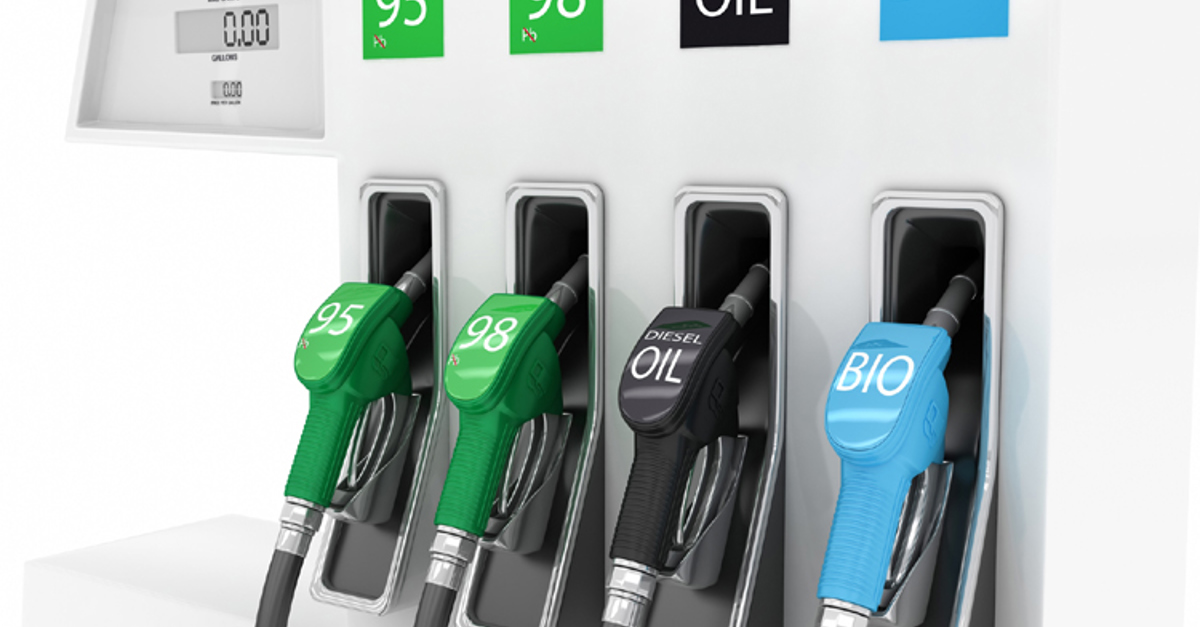
Global energy demand continues to rise while environmental concerns intensify. For more than a century, gasoline has powered transportation systems worldwide, but its environmental costs and finite supply have accelerated the search for alternatives. Scientists, engineers, and energy companies are now developing next-generation fuels designed to reduce emissions, improve efficiency, and diversify energy sources.
This article explores the most promising future fuels beyond traditional gasoline, examining how they work, their advantages, and the challenges that still need to be solved.
Why the World Is Moving Beyond Gasoline
Gasoline has been central to modern transportation, yet it presents several major challenges.
Key drivers behind alternative fuel development include:
- Climate change: Gasoline combustion releases significant amounts of carbon dioxide.
- Air pollution: Conventional fuels produce nitrogen oxides and particulate matter harmful to human health.
- Energy security: Heavy dependence on oil imports exposes countries to geopolitical risks.
- Finite fossil resources: Petroleum reserves are limited and becoming more expensive to extract.
Because of these factors, governments and industries are investing heavily in cleaner and renewable energy fuels that can power vehicles, aircraft, and industrial systems.
Hydrogen Fuel
Hydrogen is widely considered one of the most promising future fuels. It can power vehicles through fuel cells, which convert hydrogen and oxygen into electricity while emitting only water vapor.
How Hydrogen Fuel Works
Hydrogen fuel cells generate electricity through an electrochemical reaction:
- Hydrogen enters the fuel cell.
- Oxygen from the air reacts with hydrogen.
- The reaction produces electricity, heat, and water.
This electricity powers an electric motor that drives the vehicle.
Advantages of Hydrogen Fuel
- Zero tailpipe emissions
- Fast refueling time compared to battery charging
- High energy density
- Suitable for heavy trucks, buses, ships, and aircraft
Challenges
Despite its promise, hydrogen adoption faces several barriers:
- Limited refueling infrastructure
- High production costs
- Most hydrogen currently produced from fossil fuels
Researchers are working on green hydrogen, produced using renewable electricity through water electrolysis.
Advanced Battery Electric Energy
Electric energy stored in batteries has become one of the fastest-growing alternatives to gasoline. Electric vehicles (EVs) use rechargeable batteries to power motors instead of internal combustion engines.
Emerging Battery Technologies
While lithium-ion batteries dominate today’s market, several new technologies are under development:
1. Solid-State Batteries
- Use solid electrolytes instead of liquid
- Higher energy density
- Improved safety
- Faster charging potential
2. Lithium-Sulfur Batteries
- Lighter than traditional batteries
- Higher theoretical energy capacity
- Potentially lower cost
3. Sodium-Ion Batteries
- Use abundant sodium instead of lithium
- Lower material cost
- Suitable for large-scale energy storage
Advantages of Battery-Based Energy
- Zero tailpipe emissions
- Highly efficient electric motors
- Quiet operation
- Compatible with renewable electricity sources
Current Limitations
- Charging infrastructure expansion needed
- Battery production requires critical minerals
- Recycling systems are still developing
Despite these issues, rapid innovation is improving EV range, affordability, and sustainability.
Biofuels and Renewable Fuels
Biofuels are produced from biological materials such as plants, algae, or agricultural waste. Unlike fossil fuels, these resources can be replenished relatively quickly.
Types of Biofuels
Ethanol
- Produced from crops such as corn and sugarcane
- Often blended with gasoline
- Widely used in many countries
Biodiesel
- Derived from vegetable oils or animal fats
- Used in diesel engines with minimal modification
Algae-Based Biofuel
- Produced from microscopic algae
- Extremely high oil yield compared to crops
- Does not compete with food production
Sustainable Aviation Fuel (SAF)
- Designed to reduce emissions in aviation
- Made from waste oils, biomass, or synthetic processes
Benefits
- Lower lifecycle carbon emissions
- Compatible with existing engines and infrastructure
- Renewable feedstocks
Challenges
- Land and water usage concerns
- Production cost competitiveness
- Scaling industrial production
Researchers continue to explore waste-based and algae-based biofuels that avoid competition with food crops.
Synthetic Fuels (E-Fuels)
Synthetic fuels are man-made liquid fuels created using captured carbon dioxide and renewable electricity. These fuels are designed to replicate gasoline, diesel, or jet fuel but with significantly lower net emissions.
How E-Fuels Are Produced
The process typically involves:
- Capturing carbon dioxide from the atmosphere or industrial sources
- Producing hydrogen through renewable-powered electrolysis
- Combining CO₂ and hydrogen to synthesize liquid fuels
Advantages
- Compatible with existing engines and fuel infrastructure
- Potentially carbon-neutral
- Useful for sectors difficult to electrify, such as aviation and shipping
Limitations
- Currently expensive to produce
- Requires large amounts of renewable electricity
- Early-stage industrial deployment
Despite these challenges, synthetic fuels may help decarbonize legacy vehicles and aircraft.
Ammonia as an Emerging Energy Carrier
Ammonia is gaining attention as a potential carbon-free fuel and hydrogen carrier. It contains hydrogen but is easier to store and transport than pure hydrogen.
Potential Applications
- Maritime shipping fuel
- Power generation
- Hydrogen transportation medium
Advantages
- No carbon emissions during combustion
- Established global production and shipping infrastructure
Challenges
- Toxicity concerns
- Combustion efficiency improvements required
- Nitrogen oxide emissions must be controlled
Researchers are actively testing ammonia-powered engines and fuel cells.
The Role of Hybrid Energy Systems
Future transportation will likely rely on multiple energy solutions rather than a single fuel type. Different technologies may dominate different sectors:
- Battery electric: passenger cars and urban transport
- Hydrogen fuel cells: heavy trucks and buses
- Biofuels and e-fuels: aviation and shipping
- Hybrid systems: transitional technologies combining electric and combustion systems
This diversified approach improves energy resilience while reducing environmental impact.
Conclusion
The era of gasoline dominance is gradually evolving toward a diverse ecosystem of cleaner fuels and energy systems. Hydrogen, advanced batteries, biofuels, synthetic fuels, and ammonia each offer unique advantages depending on the application.
Although technical and economic challenges remain, rapid innovation and global investment are accelerating progress. Over the coming decades, these emerging fuels will reshape transportation and energy infrastructure, helping move the world toward a more sustainable and low-carbon future.
Frequently Asked Questions (FAQs)
1. What fuel is most likely to replace gasoline in the future?
No single fuel will fully replace gasoline. Electric energy, hydrogen, and biofuels are expected to share roles depending on vehicle type and industry needs.
2. Are hydrogen vehicles safer than gasoline vehicles?
Hydrogen vehicles are designed with multiple safety systems. Hydrogen disperses quickly in open air, which can reduce fire risk compared to liquid fuels.
3. What makes solid-state batteries better than current batteries?
Solid-state batteries use solid electrolytes, offering higher energy density, faster charging, and improved safety compared with conventional lithium-ion batteries.
4. Can biofuels completely eliminate carbon emissions?
Biofuels generally reduce lifecycle emissions but may not eliminate them entirely. Their sustainability depends on how the raw materials are grown and processed.
5. Why are synthetic fuels expensive today?
E-fuels require large amounts of renewable electricity and complex chemical processes, which currently increase production costs.
6. Could airplanes run entirely on alternative fuels?
Yes, sustainable aviation fuels and synthetic fuels are being developed specifically to power aircraft with significantly lower emissions.
7. How long will gasoline vehicles remain in use?
Gasoline vehicles will likely remain on roads for decades, but their share will gradually decline as alternative fuels and electric technologies expand.
