
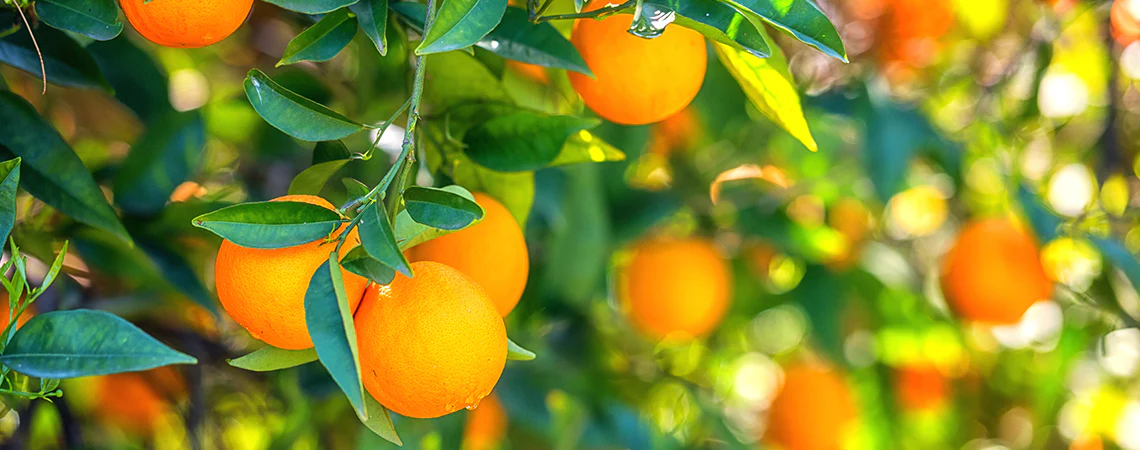
Citrus trees bring a touch of Mediterranean charm to British gardens, offering fragrant blossoms, glossy foliage, and tasty fruit. For gardeners with limited space, patio-friendly citrus varieties are an ideal choice, thriving in containers and adapting well to the UK’s temperate climate when given proper care. These trees combine aesthetic appeal with the practical benefit of homegrown fruit, suitable for small gardens, balconies, or patios. Selecting the right citrus variety is key to success, as not all are suited to container growing or the UK’s weather. This article explores four patio-friendly citrus varieties, focusing on their characteristics, care requirements, and suitability for British gardens.
A key consideration for UK gardeners is the need to protect citrus trees from frost, as most varieties are not fully hardy. Dwarf or compact varieties grafted onto dwarfing rootstocks are best for patio growing, as they remain manageable in size and produce full-sized fruit. By choosing the right variety and providing adequate care, such as a sunny spot and winter protection, you can enjoy a bountiful harvest. For those looking to buy fruit trees, these citrus varieties offer a rewarding starting point for small-space gardening.
A nursery specialist from CRJ FruitTrees advises, “When selecting citrus for patio growing, prioritise dwarf varieties like Meyer lemon or Calamondin, as they are well-suited to containers and the UK climate. Ensure they are grafted onto dwarfing rootstocks to control size and boost fruit production. Regular feeding with a citrus-specific fertiliser and protection from frost are essential for healthy trees. For a reliable source of quality trees, explore our citrus trees to find varieties tailored for patio success.”
Meyer Lemon: The Versatile Patio Star
The Meyer lemon (Citrus x meyeri) is a standout choice for patio gardeners due to its compact size and adaptability. A hybrid of a lemon and a mandarin, this variety offers mildly acidic, juicy fruit with a sweeter flavour than traditional lemons. Its dwarf form, often grafted onto rootstocks like Flying Dragon, typically grows to 1.5–2 metres in a container, making it ideal for patios or balconies. The tree’s glossy evergreen leaves and fragrant white blossoms add ornamental value, while the fruit, ripening from late winter to spring, is perfect for culinary uses like desserts, beverages, or preserves.
Meyer lemons thrive in full sun, requiring at least six hours of direct light daily. In the UK, positioning the tree in a south-facing spot maximises light exposure. During summer, the tree can remain outdoors, but it must be moved to a frost-free location, such as a greenhouse or indoors near a sunny window, during winter. The soil should be well-draining, with a mix of loam, sand, and organic matter to prevent waterlogging. Watering should be consistent, allowing the top 2–3 centimetres of soil to dry out between sessions to avoid root rot. A citrus-specific fertiliser applied every 4–6 weeks during the growing season supports healthy growth and fruiting.
Pest management is straightforward with Meyer lemons, as they are relatively resistant to common issues like aphids or spider mites. Regular inspection and a gentle insecticidal soap can address minor infestations. Pruning is minimal, focusing on removing dead or crossing branches to maintain shape and encourage airflow. For gardeners eager to buy fruit trees, the Meyer lemon’s ease of care and prolific fruiting make it a top pick for small spaces.
Calamondin: The Hardy Compact Choice
The Calamondin (Citrus x microcarpa) is a small, tangy citrus variety prized for its resilience and suitability for container growing. A cross between a mandarin and a kumquat, it produces small, round fruits that are edible but tart, often used in marmalades, sauces, or as a garnish. The tree typically reaches 1–1.5 metres in a pot, with dense, glossy foliage and small white flowers that bloom intermittently throughout the year. Its compact size and ability to fruit even as a young plant make it a favourite for UK patios.
Calamondins are among the hardier citrus varieties, tolerating brief periods of near-freezing temperatures, though they still require winter protection in the UK. A frost-free greenhouse, conservatory, or indoor space with ample light is ideal from November to March. Like other citrus, they need well-draining soil and regular watering, with the soil kept moist but not soggy. A balanced fertiliser with added micronutrients, such as iron and magnesium, promotes vibrant foliage and consistent fruit production. Applying fertiliser every 6–8 weeks during spring and summer is sufficient.
This variety is self-pollinating, meaning a single tree will produce fruit without a companion, making it perfect for small gardens. Its resistance to pests and diseases further simplifies care, though occasional checks for scale or mealybugs are advisable. Pruning should focus on maintaining a rounded shape and removing any suckers at the base. For those considering where to buy fruit trees, the Calamondin’s low maintenance and decorative appeal make it an excellent option for beginners.
Satsuma Mandarin: Sweet and Seedless Delight
Satsuma mandarins (Citrus unshiu) are a superb choice for patio gardeners seeking sweet, seedless fruit. Originating from Japan, this variety is known for its easy-to-peel skin and juicy segments, ideal for snacking or juicing. Dwarf Satsuma trees, often grafted onto dwarfing rootstocks, grow to about 1.5–2 metres in containers, fitting well on patios or balconies. Their dark green leaves and fragrant spring blossoms enhance their visual appeal, making them both productive and ornamental.
Satsumas prefer a sunny, sheltered location to thrive, as prolonged exposure to wind or shade can reduce fruit yield. In the UK, they perform best in a south- or southwest-facing position. During summer, they can remain outdoors, but they must be brought indoors or into a heated greenhouse during winter, as they are sensitive to temperatures below 5°C. A well-draining potting mix, combined with a layer of grit or perlite, ensures proper drainage. Watering should be regular, with the soil allowed to dry slightly between applications to prevent overwatering.
Fertilising with a citrus-specific product every 4–6 weeks during the growing season supports healthy development. Satsumas are self-fertile, so a single tree is sufficient for fruit production, which typically occurs in late autumn to early winter. Pests like aphids or red spider mites may occasionally appear, but these can be managed with organic sprays or by introducing beneficial insects like ladybirds. Light pruning after fruiting helps maintain size and shape. For gardeners looking to buy fruit trees, Satsumas offer a balance of ease and rewarding harvests.
Kumquat: The Petite Powerhouse
Kumquats (Fortunella spp.) are a unique citrus option, producing small, oval fruits that are eaten whole, including the sweet, edible skin. Their compact size, typically 1–1.5 metres in a pot, makes them ideal for patios, balconies, or even windowsills. The Nagami kumquat, a popular variety, offers tart flesh and sweet skin, creating a delightful flavour contrast suitable for fresh eating, preserves, or candying. The tree’s dense foliage and star-shaped flowers add year-round beauty.
Kumquats are relatively hardy, tolerating temperatures down to 0°C for short periods, but they still require winter protection in the UK. A bright, frost-free indoor space or greenhouse is ideal during colder months. They thrive in full sun, needing 6–8 hours of direct light daily, and require well-draining soil with a slightly acidic pH. Watering should keep the soil consistently moist but not waterlogged, with a reduction in frequency during winter. A citrus fertiliser applied every 6 weeks during the growing season ensures robust growth and fruiting.
These trees are self-pollinating and produce fruit reliably, even in small containers. They are less prone to pests than other citrus, though scale insects can occasionally be an issue. Regular pruning to remove dead wood and maintain shape is sufficient. Kumquats are an excellent choice for gardeners seeking a low-maintenance, productive tree. Those planning to buy fruit trees will find kumquats a versatile and space-efficient addition to their patio.
General Care Tips for Patio Citrus Trees
Successful patio citrus growing in the UK hinges on meeting a few key requirements. All citrus trees need a sunny location, ideally south-facing, to maximise light exposure. Containers should be at least 45–60 centimetres in diameter to accommodate root growth, with drainage holes to prevent waterlogging. A high-quality potting mix, blending loam, sand, and organic matter, provides the right balance of drainage and nutrients. Watering should be consistent, allowing the top layer of soil to dry slightly between sessions, and overwatering must be avoided to prevent root issues.
Fertilising is critical, as citrus trees are heavy feeders. A citrus-specific fertiliser, rich in nitrogen, phosphorus, and potassium, along with micronutrients like magnesium and iron, should be applied every 4–8 weeks during the growing season (March to September). In winter, reduce feeding to once every 2–3 months. Pruning is minimal but necessary to remove dead or damaged branches, maintain shape, and improve airflow, which helps prevent fungal issues. Pruning is best done after fruiting to avoid removing potential fruit buds.
Winter protection is non-negotiable in the UK. Citrus trees should be moved indoors or into a greenhouse when temperatures drop below 5°C. If indoor space is limited, wrapping the container in fleece or bubble wrap and placing it in a sheltered spot can suffice for short cold spells. However, prolonged exposure to frost will damage or kill the tree. Regular pest checks for aphids, scale, or spider mites, combined with organic treatments, keep trees healthy.
Choosing the Right Container and Rootstock
Selecting the appropriate container and rootstock is vital for patio citrus success. Containers should be large enough to support root growth but not so heavy as to be immovable, as trees will need to be relocated seasonally. Terracotta or plastic pots with drainage holes work well, though terracotta dries out faster and may require more frequent watering. Ensure the pot is elevated slightly to prevent water pooling at the base.
Rootstocks play a significant role in controlling tree size and vigour. Dwarfing rootstocks, such as Flying Dragon or M9, are ideal for patio citrus, as they limit growth to 1–2 metres while promoting early fruiting. When purchasing trees, check that they are grafted onto such rootstocks to ensure suitability for container growing. Reputable nurseries, like those offering to buy fruit trees, provide detailed information on rootstocks to help you choose wisely.
Benefits of Growing Citrus on Your Patio
Patio citrus trees offer multiple benefits beyond their fruit. Their evergreen foliage and fragrant blossoms add year-round beauty, enhancing the aesthetic of small outdoor spaces. The fruit provides a fresh, homegrown ingredient for cooking, baking, or drinks, free from the chemical treatments often found in supermarket produce. Growing citrus also fosters a connection to nature, offering a rewarding gardening experience even in urban settings.
These trees are particularly appealing to British gardeners with limited space, as they thrive in containers and require minimal pruning compared to other fruit trees. Their versatility allows them to double as ornamental plants, with the added bonus of edible harvests. By selecting varieties like Meyer lemon, Calamondin, Satsuma, or kumquat, you can create a mini-orchard that fits your patio while enjoying the satisfaction of homegrown citrus.
Conclusion
Patio-friendly citrus varieties, such as Meyer lemon, Calamondin, Satsuma mandarin, and kumquat, offer UK gardeners an accessible way to grow fruit in small spaces. These dwarf trees, when paired with proper care and winter protection, deliver both aesthetic appeal and delicious harvests. By choosing the right variety, container, and rootstock, and following consistent care practices, you can enjoy the rewards of citrus growing, even in the UK’s challenging climate. Whether you’re a novice or experienced gardener, these trees provide a practical and beautiful addition to any patio, making them a worthwhile investment for those looking to buy fruit trees.
