
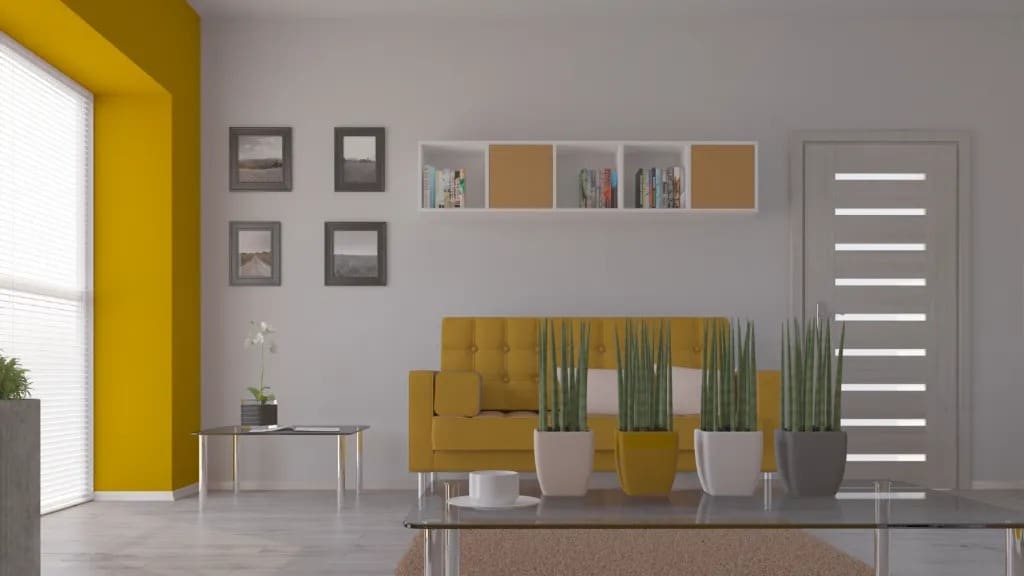
Home is more than a physical space. It is a place that shapes our identity, nurtures our emotions, and provides security and belonging. While houses can be built with bricks and mortar, a home is created with memories, relationships, and values. Understanding the deeper meaning of home allows us to appreciate why it remains such a vital part of human life.
The Emotional Significance of Home
A home provides far more than shelter. It is the foundation of stability and comfort, where people find peace after the outside world’s chaos.
-
Security: A home offers protection, both physically and emotionally. It shields us from the elements and gives a sense of safety.
-
Identity: Personal touches like photographs, art, or furniture make a home unique to its inhabitants.
-
Memory Building: Every home becomes a backdrop for life’s milestones, from birthdays to quiet evenings together.
Homes also act as emotional anchors. They are the places we turn to when we need grounding, providing familiarity and reassurance.
Home as a Reflection of Personality
The way someone organises, decorates, and uses their home often reflects their personality and lifestyle. Minimalists may choose clean, open spaces, while others prefer vibrant colours and eclectic décor. This reflection of individuality turns a living space into something deeply personal.
Elements That Personalise a Home
-
Interior design choices: Wall colours, furniture, and lighting
-
Cultural influences: Traditions expressed in décor or layout
-
Hobbies and interests: Displays of books, instruments, or collections
-
Practical arrangements: Functional spaces designed to meet personal needs
By shaping our homes, we shape how others perceive us and, more importantly, how we feel within our own walls.
The Role of Home in Family Life
Family homes serve as hubs of connection. They provide spaces for shared meals, conversations, and traditions. A child’s earliest understanding of love and care often begins at home.
Key Functions in Family Dynamics
-
Bonding space: Dining tables and living rooms bring people together.
-
Learning environment: Children absorb values, habits, and traditions from home life.
-
Cultural continuity: Homes help preserve heritage through practices, language, and celebrations.
A strong family home nurtures unity, teaching the importance of care, respect, and cooperation.
The Evolution of Home in Modern Society
The meaning of home has changed over time. Historically, homes were primarily functional, designed to provide shelter and workspaces. Today, homes are multifunctional, adapting to modern needs.
Shifts in Modern Living
-
Remote work: Homes now serve as offices for many.
-
Technology integration: Smart homes increase convenience and efficiency.
-
Smaller households: With more single-person living, homes are tailored to independence.
-
Global mobility: People may have multiple homes or temporary residences, reshaping the concept of permanence.
Despite these changes, the emotional essence of home remains the same: comfort, belonging, and identity.
Cultural Perspectives on Home
Different cultures shape their understanding of home in unique ways. In some societies, homes are multigenerational, while in others, independence is prioritised. Architecture, traditions, and family structures influence how homes are valued and designed.
For example:
-
Mediterranean countries often emphasise communal living, with large family gatherings at home.
-
Scandinavian homes highlight simplicity and warmth, creating cosy atmospheres known as hygge.
-
Asian cultures may place strong focus on ancestral presence and balance, integrating spirituality into living spaces.
These perspectives show that home is both universal and diverse.
The Connection Between Home and Wellbeing
A well-maintained home environment has direct links to mental and physical health. Disorder and clutter can increase stress, while clean, organised, and welcoming spaces foster calmness.
Ways Homes Impact Wellbeing
-
Natural light boosts mood and productivity.
-
Ventilation and cleanliness promote physical health.
-
Comfortable spaces encourage relaxation.
-
Personalisation enhances emotional attachment.
Investing in a nurturing home environment is an investment in overall wellbeing.
The Future of Home
Looking ahead, homes will continue to evolve. Sustainability, technology, and changing lifestyles will reshape their role in society.
-
Eco-friendly designs: Energy-efficient materials and renewable energy sources are increasingly common.
-
Adaptable spaces: Homes will offer flexible layouts that adjust to changing family needs.
-
Digital integration: Smart homes will expand, offering seamless connections between living and working life.
The home of the future will balance innovation with timeless human needs for comfort and connection.
FAQs About Home
What makes a house feel like a home?
A house becomes a home through personalisation, memories, and emotional connections. Simple touches like family photographs, familiar scents, and favourite furniture play a role.
Why is home important for children?
Home is a child’s first learning environment. It shapes their emotional development, provides security, and instils cultural and moral values.
How does clutter affect the feeling of home?
Clutter can increase stress and create a sense of chaos. An organised home contributes to calmness, clarity, and better wellbeing.
Can temporary residences feel like home?
Yes. Even rented or short-term living spaces can feel like home when personalised with meaningful items and routines.
How do cultural traditions influence the design of homes?
Cultural values shape layouts, decoration, and functionality. For example, some cultures prioritise open communal spaces, while others emphasise privacy and individual rooms.
What role will sustainability play in future homes?
Sustainability will be central, with eco-friendly designs, energy efficiency, and renewable resources shaping the homes of tomorrow.
