
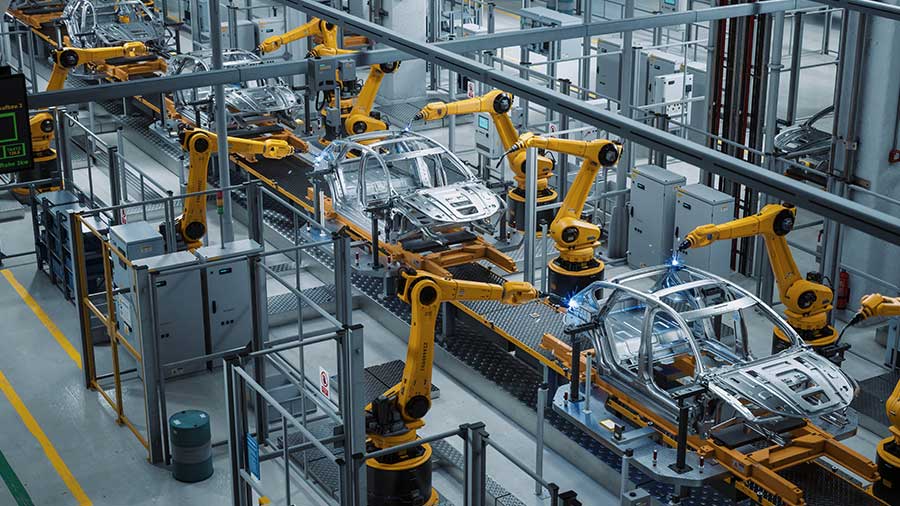
The auto industry is one of the most dynamic sectors in the world, shaping economies, mobility, and daily life. Over the past century, it has undergone a remarkable transformation, moving from steam-powered prototypes to petrol engines, hybrid systems, and now electric vehicles. Today, autos are not just about transportation but also about connectivity, sustainability, and innovation.
The Early Beginnings of the Auto Industry
The history of the automobile dates back to the late 19th century when inventors experimented with steam and electric propulsion. By the early 20th century, petrol-powered engines became the standard due to their practicality and efficiency. The introduction of assembly lines revolutionised production, making cars affordable to the masses.
Key milestones in early auto development
-
Creation of the first petrol-driven cars in the 1880s
-
Expansion of mass production techniques in the early 1900s
-
Introduction of safety features such as windshields and seatbelts
-
Growth of road infrastructure supporting automotive expansion
The Role of Autos in Modern Society
Today, autos are deeply embedded in everyday life. They offer independence, efficiency, and accessibility, becoming symbols of freedom and economic progress. In the UK, for example, car ownership is not only about convenience but also a reflection of lifestyle choices.
Economic importance
-
Autos contribute significantly to GDP through manufacturing, sales, and services
-
The sector provides millions of jobs worldwide
-
Automotive exports remain crucial for many national economies
Technological Advancements Reshaping Autos
The modern auto industry is no longer limited to mechanical engineering. It is now a hub of advanced technologies such as artificial intelligence, battery innovation, and smart sensors.
Electric vehicles (EVs)
Electric cars are becoming mainstream, with improved battery range and charging infrastructure. Governments are promoting EV adoption through incentives, while manufacturers invest in gigafactories for battery production.
Autonomous driving
Self-driving technology, powered by AI and sensors, is being tested globally. While full autonomy is still years away, advanced driver assistance systems (ADAS) are already improving road safety.
Connectivity
Autos now integrate with smartphones, offer over-the-air software updates, and feature advanced infotainment systems. Connectivity is redefining how drivers interact with vehicles.
Sustainability
The industry is under pressure to reduce emissions. Innovations such as hydrogen fuel cells, lightweight materials, and recyclable components are contributing to greener solutions.
The Changing Consumer Mindset
Consumers are increasingly viewing cars not just as a necessity but as an extension of lifestyle. Trends show a growing demand for environmentally friendly vehicles, shared mobility, and digital services integrated into cars.
Key shifts in consumer expectations
-
Preference for eco-friendly vehicles
-
Demand for seamless digital experiences inside cars
-
Growing popularity of subscription-based or shared mobility models
-
Strong emphasis on safety and reliability
The Future of Autos
The next decade will define the auto industry more than any other era. The convergence of clean energy, AI, and connectivity will reshape mobility as we know it.
Predicted trends
-
Rapid growth in EV adoption globally
-
Expansion of smart cities with integrated transport systems
-
Wider rollout of autonomous taxis and delivery vehicles
-
Personalised in-car experiences powered by AI
Challenges Facing the Auto Industry
While opportunities are vast, the industry faces significant challenges that require careful navigation.
-
Supply chain issues: The semiconductor shortage highlighted vulnerabilities in global supply networks.
-
High R&D costs: Developing EVs and autonomous technology demands heavy investment.
-
Regulatory compliance: Stricter emissions laws in the UK and worldwide pressure automakers to adapt.
-
Market competition: Traditional brands and new entrants compete fiercely for market share.
Real-Life Impact of Auto Innovation
The changes in autos are not just abstract. In real life, EV owners are enjoying reduced running costs, while fleet operators adopt electric vans to cut emissions and save fuel. Families benefit from advanced safety features such as lane-keeping assistance and automatic emergency braking, reducing accident risks significantly.
FAQs on Autos
What are the main benefits of electric cars?
Electric cars reduce fuel costs, produce zero tailpipe emissions, and often come with lower maintenance expenses compared to petrol or diesel vehicles.
How long do electric vehicle batteries last?
Most EV batteries are designed to last between 8 to 15 years, depending on usage, climate, and charging habits. Manufacturers typically provide warranties covering at least 8 years.
Will autonomous cars replace traditional cars soon?
Full autonomy is still a long way off due to regulatory, technical, and safety challenges. However, semi-autonomous features are already common in many vehicles.
Are hybrid cars still worth buying?
Yes, hybrids are a good transition choice for drivers who are not ready for full EV adoption. They offer improved fuel efficiency and lower emissions compared to traditional petrol cars.
How does car connectivity improve driving?
Connected cars provide real-time navigation, remote diagnostics, and over-the-air updates, making driving safer, more efficient, and more enjoyable.
