
6
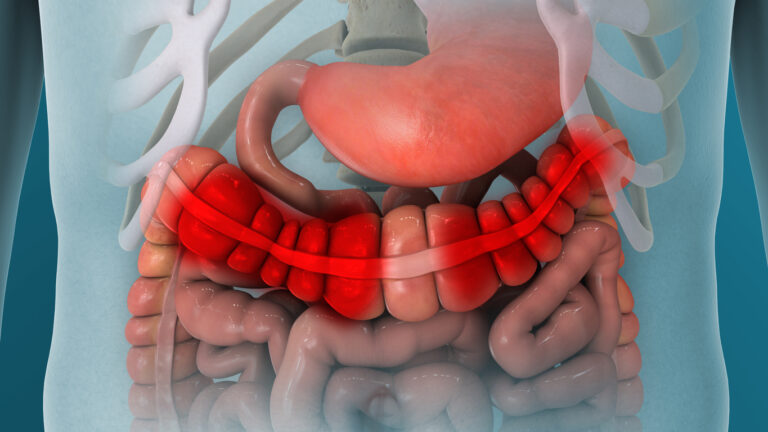
That sudden knot in your stomach before a high-stakes presentation or the sudden urge to run to the restroom during an argument is not an illusion. The digestive system and the brain maintain an ongoing, real-time conversation every second of the day. For people living with Irritable Bowel Syndrome (IBS), this internal dialogue frequently turns volatile. What might register as minor nervous butterflies in someone else can rapidly trigger debilitating abdominal cramps, urgent diarrhea, stubborn constipation, or intense bloating in an individual with a sensitized digestive tract.
For decades, patients were told that IBS was merely an emotional issue, dismissed with patronizing advice to simply worry less. Modern gastroenterology and neurobiology paint a completely different picture. IBS is a recognized disorder of gut-brain interaction. The connection between psychological stress and gastrointestinal distress is biological, mechanical, and cellular. Understanding how stress alters gut function is the first step toward disarming the cycle and reclaiming control over everyday wellness.
The Gut-Brain Axis: A Bidirectional Superhighway
The human digestive tract contains its own autonomous nervous system known as the enteric nervous system (ENS). Often referred to as the body’s second brain, this intricate network of more than five hundred million neurons lines the entire gastrointestinal wall from the esophagus to the rectum. The ENS regulates digestive enzymes, coordinates muscular contractions, and monitors local blood flow without requiring conscious input from the central nervous system.
Communication between the brain in your head and the brain in your gut travels along the vagus nerve, the longest cranial nerve in the body. This neural highway is predominantly bidirectional, with roughly eighty to ninety percent of its fibers transmitting sensory data upward from the gut to the brain, while the remainder carries commands downward.
Adding to this complexity is neurochemical signaling. Roughly ninety percent of the body’s serotonin—a key neurotransmitter responsible for regulating mood, sleep, and pain perception—is synthesized and stored within specialized cells in the gut lining. In the digestive tract, serotonin acts as a primary signaling molecule that initiates peristalsis, the coordinated muscular contractions that push food through the intestines. When psychological stress floods the body with neurochemicals, that signaling is disrupted, throwing digestive motility and pain thresholds into disarray.
How the Stress Response Directly Triggers IBS Symptoms
When you experience acute or chronic stress, your hypothalamus signals the adrenal glands to release a cascade of hormones, including cortisol, adrenaline, and corticotropin-releasing hormone (CRH). While this evolutionary fight-or-flight response was designed to divert resources toward survival, it halts non-essential operations like calm digestion.
Dysregulated Intestinal Motility
Under the influence of acute stress, blood flow shifts rapidly away from the splanchnic circulation in the gut toward skeletal muscles and vital organs. In response to surges of CRH and autonomic stimulation, the colon can react in two diametrically opposed ways depending on an individual’s personal IBS subtype:
-
Hypermotility: The colon muscles contract violently and rapidly, rushing fluid through the large intestine before water can be reabsorbed, producing sudden cramping and watery diarrhea.
-
Hypomotility: The digestive tract locks up, transit slows to a crawl, and the colon absorbs excessive water from the stool, creating painful impaction, gas accumulation, and severe constipation.
Visceral Hypersensitivity
One of the hallmarks of IBS is visceral hypersensitivity, a condition where the nerve endings within the intestinal wall operate on a hair-trigger threshold. In a healthy gut, standard amounts of gas or normal contractions pass by largely unnoticed by the conscious brain.
During prolonged periods of stress, the central nervous system amplifies pain signals returning from the gut. A small pocket of trapped air that would produce mild fullness in an unaffected individual registers as sharp, stabbing pain in someone experiencing an IBS flare-up. The brain effectively turns up the volume dial on normal digestive sensations.
Increased Intestinal Permeability and Local Inflammation
Chronic stress does not stop at nerve firing; it actively degrades the physical lining of the gut. Elevated cortisol levels disrupt the tight junction proteins that hold epithelial cells together, weakening the mucosal barrier. This allows microscopic food particles and microbial metabolites to come into direct contact with the underlying immune tissue, triggering low-grade localized inflammation. This immune response releases mast cells and histamines, which irritate adjacent enteric nerves and perpetuate gut sensitivity long after the original stressor has passed.
Breaking the Cycle: Evidence-Based Calming Strategies
Managing stress-induced IBS flare-ups requires a multi-pronged approach that targets the nervous system alongside the digestive tract. By shifting the body out of sympathetic dominance and into a parasympathetic state (often called rest and digest), you can calm intestinal spasms and reduce pain perception.
Activating the Vagus Nerve Through Respiration
Deep, rhythmic diaphragmatic breathing is one of the fastest physical mechanisms for dampening sympathetic nervous activity. Shallow chest breathing reinforces panic signaling, whereas slow belly expansion physically stimulates vagus nerve receptors located near the diaphragm.
When an IBS spasm begins or before sitting down to a meal, practice box breathing or elongated-exhale breathing:
-
Inhale slowly through your nose for four seconds, allowing your abdomen to expand outward while keeping your shoulders still.
-
Hold your breath gently for four seconds.
-
Exhale slowly through pursed lips for six to eight seconds, consciously relaxing your jaw and abdominal wall.
-
Repeat this cycle for five to ten minutes. Lengthening the exhale signals the brain that you are out of immediate danger, slowing heart rate and settling overactive intestinal contractions.
Gut-Directed Cognitive and Behavioral Techniques
Because the brain continually monitors and misinterprets signals from a sensitized gut, cognitive behavioral techniques have proven remarkably effective for IBS. When abdominal discomfort begins, it is easy to fall into catastrophic thinking—anticipating that a minor twinge will ruin an entire workday or result in an embarrassing public emergency. This anxiety dumps fresh adrenaline into the system, intensifying the physical spasm in a self-fulfilling loop.
Working through targeted reframing helps de-escalate this panic. Acknowledge the sensation calmly as temporary nerve signaling rather than an internal catastrophe. Gut-directed hypnotherapy and mindfulness-based stress reduction (MBSR) also train the subconscious mind to decouple normal digestive movement from emergency alarm states, steadily lowering visceral hypersensitivity over time.
Low-Impact Movement Over Punishing Workouts
While regular physical activity is essential for healthy bowel motility, high-intensity interval training (HIIT) and exhaustive endurance workouts can backfire during an active flare-up. Strenuous exercise elevates systemic cortisol levels and redirects blood away from the GI tract, worsening cramping.
During stressful seasons, replace high-impact sessions with restorative movement:
-
A brisk twenty-minute walk after meals stimulates natural peristalsis without elevating stress hormones.
-
Gentle yoga postures, particularly child’s pose, cat-cow stretches, and reclined spinal twists, help release mechanical tension held in the pelvic floor and abdominal wall.
-
Light swimming offers cardiovascular conditioning while warm water relaxes spastic abdominal musculature.
Daily Habit Adjustments to Buffer the Digestive Tract
Managing stress-related flare-ups also involves removing unnecessary friction from daily routines. How you eat is often just as critical as what you eat when the nervous system is running hot.
Avoid eating meals while working at a computer, scrolling through stressful news feeds, or driving in traffic. Consuming food in an agitated state guarantees inadequate chewing, swallowed air, and poor digestive enzyme secretion. Set aside fifteen minutes to sit upright in a calm environment, chew every bite thoroughly, and eat at a deliberate pace.
Additionally, maintain a consistent sleep schedule. Sleep deprivation directly sensitizes the central nervous system to visceral pain and alters the composition of the gut microbiome within days. Aim for seven to eight hours of sound rest in a dark, cool room to give your enteric nervous system the recovery window it needs to recalibrate.
IBS is not an imaginary condition, nor is it a personal failing. It is a tangible neuro-gastrointestinal disorder that thrives on systemic tension. By recognizing the physical signals of stress, actively down-regulating the autonomic nervous system, and treating your gut with patience and care, you can dismantle the stress-spasm loop and restore lasting digestive balance.
