
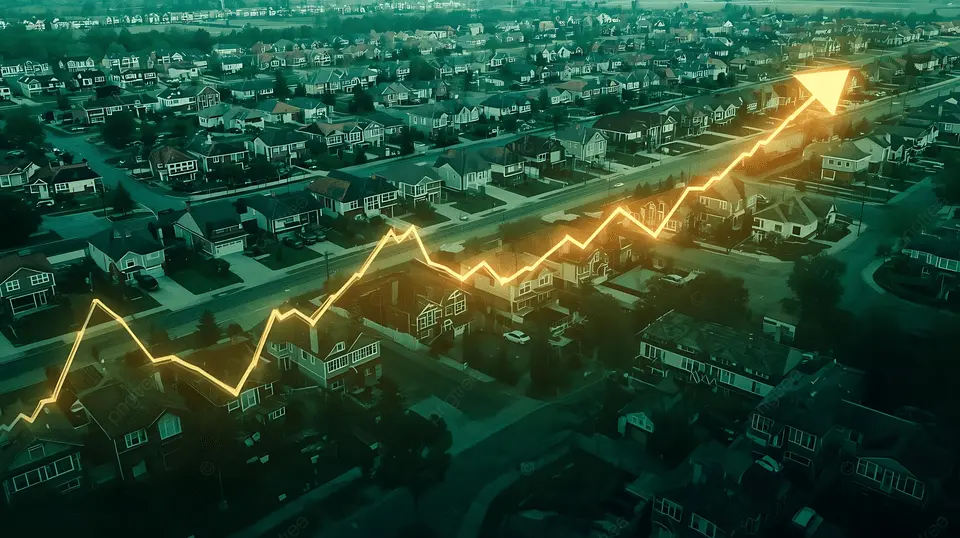
Understanding the Long-Term Movement of Property Prices
Real estate rarely stays at the same value forever. A home purchased today can gain or lose value depending on market conditions, economic shifts, neighborhood development, and the property’s physical condition. Understanding how home values evolve over time helps homeowners, investors, and buyers make smarter financial decisions.
What Determines Home Value Over Time?
Home values fluctuate because they are influenced by multiple interconnected factors. Some factors push property prices upward, while others may slow growth or even reduce value.
1. Local Housing Supply and Demand
One of the strongest drivers of home value is supply and demand in the local housing market.
- High demand and limited supply typically lead to price increases.
- Oversupply of homes can push prices downward.
- Rapid population growth in a city often increases property values.
When more people want to live in a specific area than there are homes available, prices tend to climb steadily.
2. Economic Conditions
The broader economy plays a significant role in property valuation.
Important economic factors include:
- Interest rates
- Employment levels
- Income growth
- Inflation
Low interest rates make mortgages cheaper, allowing more buyers to enter the market and driving home prices upward.
3. Neighborhood Development
A home’s value is closely tied to the quality and growth of its surrounding area.
Examples of value-boosting neighborhood changes include:
- New schools and universities
- Public transportation expansion
- Commercial centers and shopping areas
- Parks and recreational spaces
On the other hand, declining infrastructure or rising crime rates can negatively impact property values.
Property-Specific Factors That Influence Value
While market forces matter, individual property characteristics also influence how much a home appreciates.
Home Size and Layout
Larger homes or properties with functional layouts often maintain higher value. Homes with extra bedrooms, open living spaces, and flexible areas tend to appeal to more buyers.
Property Condition
Well-maintained homes typically increase in value faster than neglected ones.
Key elements affecting condition include:
- Roof quality
- Plumbing and electrical systems
- Structural integrity
- Interior upgrades
Regular maintenance protects long-term value.
Renovations and Upgrades
Certain upgrades can significantly boost a home’s market value.
Common value-adding improvements include:
- Kitchen renovations
- Bathroom upgrades
- Energy-efficient systems
- Landscaping improvements
- Additional living space
However, not all renovations provide equal return, so planning upgrades carefully is important.
Typical Home Appreciation Over Time
Historically, residential real estate tends to appreciate gradually over the long term, although short-term fluctuations are common.
Typical patterns include:
- Average appreciation often ranges between 3% and 5% annually in stable markets.
- Rapid growth may occur during housing booms.
- Temporary declines may happen during economic downturns.
Despite short-term dips, real estate has historically been considered a long-term wealth-building asset.
How Market Cycles Affect Property Values
The housing market usually moves through cycles.
Expansion
During strong economic periods:
- Home demand increases
- Property values rise
- Construction activity expands
Peak
Prices reach their highest levels when demand begins to slow but supply is still limited.
Correction or Decline
Economic challenges, higher interest rates, or oversupply may cause home prices to drop.
Recovery
As the economy stabilizes and demand returns, property values begin rising again.
Understanding these cycles helps buyers and investors time their decisions more effectively.
The Impact of Time on Real Estate Investment
One of the biggest advantages of homeownership is time in the market.
Long-term ownership provides benefits such as:
- Gradual property appreciation
- Mortgage principal reduction
- Potential rental income
- Inflation protection
Homeowners who hold property for 10–20 years or longer often see substantial value growth compared to short-term owners.
Strategies to Increase Your Home’s Value Over Time
Homeowners can actively improve their property’s future value by taking several steps.
Maintain the Property
Routine upkeep prevents deterioration and preserves value.
Important maintenance tasks include:
- Roof inspections
- HVAC servicing
- Plumbing checks
- Exterior repairs
Focus on High-Impact Improvements
Not all upgrades increase resale value equally. Focus on projects with strong return potential such as:
- Kitchen modernization
- Bathroom upgrades
- Energy-efficient windows
- Smart home features
Improve Curb Appeal
First impressions matter greatly in real estate.
Enhancements may include:
- Landscaping
- Exterior paint
- New driveway or walkway
- Updated lighting
These relatively small improvements can significantly increase buyer interest.
Long-Term Outlook for Home Values
Although short-term fluctuations occur, real estate tends to follow long-term upward trends due to:
- Population growth
- Land scarcity
- Construction costs
- Inflation
These factors generally support gradual property value increases over extended periods.
For homeowners and investors, understanding how property values evolve helps guide better buying, selling, and renovation decisions.
FAQ
1. How long does it usually take for a home to increase in value?
Most homes start showing noticeable appreciation after 5–10 years, although market conditions can speed up or slow down this process.
2. Can home values ever decrease?
Yes. Economic recessions, high interest rates, or declining neighborhoods can temporarily reduce property values.
3. Do renovations always increase home value?
Not always. Some upgrades add significant value, while others mainly improve comfort without strong resale returns.
4. Does location matter more than the house itself?
Location is often considered the most important factor in determining long-term property value.
5. How do interest rates affect home values?
Lower interest rates increase buyer affordability, which typically raises housing demand and property prices.
6. Are older homes less valuable than new homes?
Not necessarily. Well-maintained older homes in desirable neighborhoods can appreciate just as strongly as newer properties.
7. Is real estate a reliable long-term investment?
Historically, real estate has been considered a stable long-term investment because property values tend to rise over extended periods despite short-term fluctuations.
