
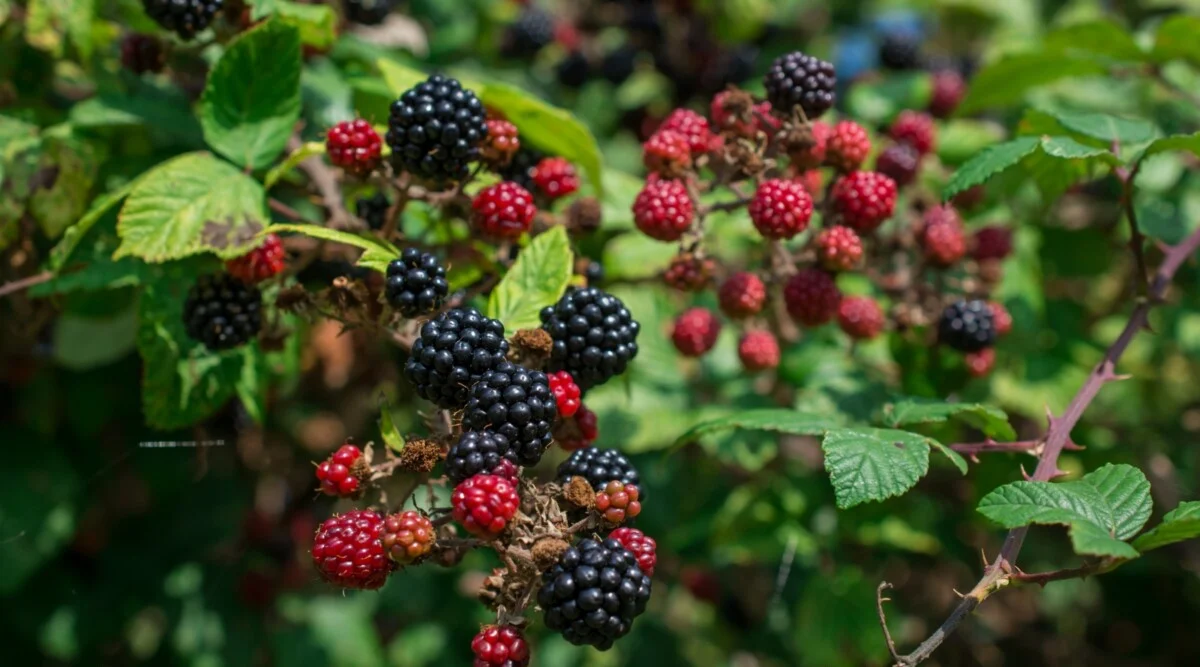
Blackberries are a rewarding addition to any garden, offering sweet, juicy fruit with relatively low maintenance. For gardeners seeking varieties that are easier to handle, thornless or near-thornless cultivars are an excellent choice, as they simplify harvesting and pruning without sacrificing yield or flavour. This article explores eight blackberry cultivars with minimal thorns, providing practical insights for British gardeners looking to cultivate these fruits. Selecting the right variety can enhance both the productivity and enjoyment of growing blackberries, especially for those purchasing fruit trees for sale to establish a home orchard. A nursery specialist from ChrisBowers&Sons, a well-established supplier of fruiting plants, offers the following advice: “When choosing blackberry cultivars, prioritise those with minimal thorns for ease of management, particularly in smaller gardens. Thornless varieties are bred for convenience without compromising on fruit quality, making them ideal for both novice and experienced growers.” This guidance underscores the value of thornless options, which are increasingly popular for their practicality.
Blackberry Growth Habits
Blackberries belong to the Rubus genus, which includes raspberries, and are perennial plants with biennial canes. In their first year, canes (known as primocanes) grow vegetatively, producing leaves but no fruit. In the second year, these canes become floricanes, bearing flowers and fruit before dying back. New primocanes emerge each year to continue the cycle. Blackberry plants are classified by their growth habit: trailing, semi-erect, or erect. Trailing varieties require trellising to keep canes off the ground, while erect types often stand unsupported, though trellising can still aid in management. Semi-erect cultivars fall between these, with some canes needing support when laden with fruit. Thornless or near-thornless cultivars exist across these categories, offering flexibility for different garden setups. Understanding these habits is crucial when selecting plants, especially for those exploring fruit trees for sale, as it influences space requirements and maintenance.
Benefits of Thornless or Low-Thorn Blackberries
Thornless blackberries have been selectively bred to eliminate the sharp spines found on wild varieties, making them easier to harvest and maintain. These cultivars often produce larger, sweeter berries than their wild counterparts, with improved disease resistance and cold hardiness. For British gardeners, where weather can be unpredictable, choosing a hardy, low-maintenance variety is particularly appealing. Thornless blackberries are also ideal for family gardens, as they reduce the risk of scratches, making them safe for children to pick. While some argue that thorny varieties offer a more robust flavour, modern thornless cultivars have closed the gap, providing excellent taste with less hassle. This balance of practicality and quality makes them a top choice for those seeking fruit trees for sale to diversify their garden produce.
Eight Minimal-Thorn Blackberry Cultivars
The following eight cultivars are selected for their minimal thorns, reliable performance, and suitability for British climates. Each offers unique characteristics in terms of fruit size, flavour, and ripening period, catering to various gardening preferences.
Loch Ness
Loch Ness, a floricane variety developed in Scotland, is one of the most popular blackberry cultivars in the UK, earning the Royal Horticultural Society’s Award of Garden Merit. Its near-thornless canes make harvesting straightforward, and its compact growth habit suits smaller gardens. The plant produces medium to large berries with a rich, slightly tart flavour, ideal for cooking or eating fresh when fully ripe. Fruiting begins in early August and can extend into November, offering one of the longest cropping periods among blackberry varieties. Loch Ness thrives in full sun or partial shade and requires minimal pruning, making it a low-maintenance option for gardeners seeking fruit trees for sale.
Apache
Apache, an erect thornless cultivar from the University of Arkansas, is noted for its large, conical berries with a glossy black finish. The fruit is sweet with a balanced tartness, averaging 10 grams per berry, making it excellent for fresh eating or preserves. Apache ripens mid-season, typically in July, and is hardy in USDA zones 4 to 9, suitable for most British climates. Its upright canes require minimal trellising, though support can improve yields in windy conditions. Apache’s disease resistance and high yields make it a reliable choice for gardeners looking to establish productive fruit trees for sale.
Arapaho
Another University of Arkansas cultivar, Arapaho is an erect, thornless variety known for its early ripening, often starting in late June. The berries are medium-sized with small seeds, making them particularly suitable for jams and jellies. Arapaho’s flavour is sweet with a mild tartness, and its high yields make it a favourite among home gardeners. Hardy in zones 4 to 9, it adapts well to the UK’s variable weather. Its erect growth requires little support, though trellising can aid in keeping canes tidy. Arapaho is a strong candidate for those browsing fruit trees for sale due to its early fruiting and ease of care.
Navaho
Navaho, also from the University of Arkansas, is an erect, thornless cultivar prized for its exceptionally sweet berries, with a sugar content of 11.7%, the highest among blackberry varieties. Ripening from late June to August, Navaho produces medium-sized berries with a strong, sweet flavour, ideal for fresh consumption. It is hardy in zones 6 to 8, suitable for milder UK regions, though it requires protection from late frosts. Navaho is susceptible to orange rust but shows resistance to rosette disease. Its upright canes benefit from light trellising, making it a practical choice for gardeners seeking fruit trees for sale with a focus on flavour.
Chester
Chester, a semi-erect thornless cultivar, is valued for its late-season fruiting, typically from late July to early September. Its medium-sized berries have a good balance of sweet and tart flavours, suitable for both fresh eating and cooking. Chester is one of the hardiest thornless varieties, performing well in colder UK regions, though its late ripening may be a consideration in areas with early frosts. The semi-erect canes require trellising to support heavy fruit loads. Chester’s disease resistance and long cropping period make it an excellent option for gardeners investing in fruit trees for sale.
Triple Crown
Triple Crown, a semi-erect thornless cultivar, is renowned for its high yields, with mature plants capable of producing up to 30 pounds of fruit per season. The berries are large, sweet, and firm, with a complex flavour that makes them versatile for fresh eating, baking, or freezing. Ripening from mid-July to August, Triple Crown is hardy in zones 5 to 9, well-suited to most UK climates. Its vigorous canes require a sturdy trellis to manage their growth. Triple Crown’s productivity and ease of harvest make it a standout for those exploring fruit trees for sale for commercial or home use.
Ouachita
Ouachita, an erect thornless cultivar from the University of Arkansas, produces large berries over an extended period, typically from July to August. The fruit is sweet with larger seeds, which may be noticeable in fresh eating but less so in processed products like jams. Ouachita’s upright canes require minimal support, and its good vigour and health make it resistant to common diseases. Hardy in zones 5 to 9, it adapts well to British conditions. Ouachita’s consistent yields and ease of management make it a strong contender for gardeners purchasing fruit trees for sale.
Black Diamond
Black Diamond, a trailing thornless cultivar developed in the Pacific Northwest, is a leading choice for its large, firm berries with a balanced sweet-tart flavour. Ripening in mid-season, typically July, it is ideal for fresh eating, preserves, or commercial production. Hardy in zones 5 to 8, Black Diamond requires a trellis to support its vigorous canes, which can spread significantly. Its disease resistance and high yields make it a reliable option for UK gardeners, particularly those in milder regions. Black Diamond’s versatility and productivity appeal to those seeking fruit trees for sale for diverse uses.
Cultivation Tips for Thornless Blackberries
Growing thornless blackberries requires attention to site selection, soil preparation, and ongoing care. These cultivars thrive in full sun, requiring at least six hours of direct sunlight daily, though some, like Loch Ness, tolerate partial shade. Well-drained, slightly acidic soil with a pH of 5.5 to 6.5 is ideal. Before planting, incorporate organic matter such as compost to improve soil structure and fertility. Space plants according to their growth habit: 3 to 5 feet apart for erect varieties, 5 to 7 feet for semi-erect, and up to 10 feet for trailing types, with at least 6 feet between rows.
Planting is best done in late winter or early spring for bare-root plants, or any time the ground is workable for potted plants. When planting bare-root blackberries, soak the roots briefly and ensure they are spread out in a hole deep enough to accommodate them. Water thoroughly after planting and maintain consistent moisture, especially during the first year. Mulching with 3 to 4 inches of organic material, such as bark or straw, helps retain moisture, suppress weeds, and protect shallow roots.
Trellising is recommended for most thornless varieties, particularly trailing and semi-erect types, to keep canes off the ground and facilitate harvesting. A simple two-wire trellis system, with wires at 3 and 5 feet above ground, works well. Tie new canes to the trellis as they grow, ensuring good air circulation to reduce disease risk. Pruning is critical for maintaining productivity. In late winter or early spring, remove dead or diseased canes and cut back lateral branches to 12 to 18 inches to encourage larger fruit. After fruiting, cut old floricanes to the ground to make way for new primocanes.
Fertilisation should begin eight weeks after planting, using a balanced fertiliser like 10-10-10 at a rate of 30 pounds of nitrogen per acre in the first year. In subsequent years, apply fertiliser in spring and again when fruits form. Regular watering, about one inch per week, is essential, particularly during fruiting. Avoid overhead watering to prevent fungal diseases. Bird netting can protect crops from avian pests, which are a common issue for blackberry growers.
Challenges and Considerations
While thornless blackberries are easier to handle, they are not without challenges. Some varieties, like Navaho, are susceptible to diseases such as orange rust, requiring vigilant monitoring. Late-ripening cultivars like Chester may face issues in regions with early frosts, as fruit development can be interrupted. In the UK, where frost risks persist into spring, planting on slopes or higher ground can help cold air drain away, protecting early blooms. Primocane-fruiting varieties, such as Prime-Ark Freedom, offer the potential for two crops per season but may produce lower-quality fruit in hot summers, making them less reliable in warmer UK regions.
Another consideration is the flavour profile. While thornless cultivars are sweet and versatile, some gardeners note they lack the intense, aromatic sweetness of wild blackberries. However, cultivars like Navaho and Triple Crown come close, offering a balance of convenience and taste. Gardeners should also be aware that blackberries can spread via suckers, particularly erect varieties like Ouachita. Regular pruning and removal of excess canes can prevent unwanted spread, especially in smaller gardens.
Choosing the Right Cultivar for Your Garden
Selecting a thornless blackberry cultivar depends on your garden’s size, climate, and intended use. For small spaces, Loch Ness or Arapaho are ideal due to their compact growth and early ripening. Larger gardens or commercial setups may benefit from high-yielding varieties like Triple Crown or Black Diamond, which require more space and trellising. Consider your local climate: Chester and Apache are hardy in colder regions, while Navaho and Black Diamond suit milder areas. If you prioritise flavour, Navaho’s high sugar content or Triple Crown’s complex taste may be preferable. For those new to gardening, starting with a well-documented variety like Loch Ness, available from reputable suppliers of fruit trees for sale, ensures a straightforward experience.
Conclusion
Thornless blackberry cultivars offer a practical and productive option for British gardeners, combining ease of maintenance with generous yields of sweet, versatile fruit. The eight varieties discussed—Loch Ness, Apache, Arapaho, Navaho, Chester, Triple Crown, Ouachita, and Black Diamond—provide a range of options to suit different garden sizes, climates, and culinary preferences. By selecting the right cultivar and following proper cultivation practices, gardeners can enjoy bountiful harvests with minimal hassle. Whether you’re a novice or an experienced grower, these minimal-thorn blackberries are an excellent addition to any garden, enhancing both its productivity and appeal.
