
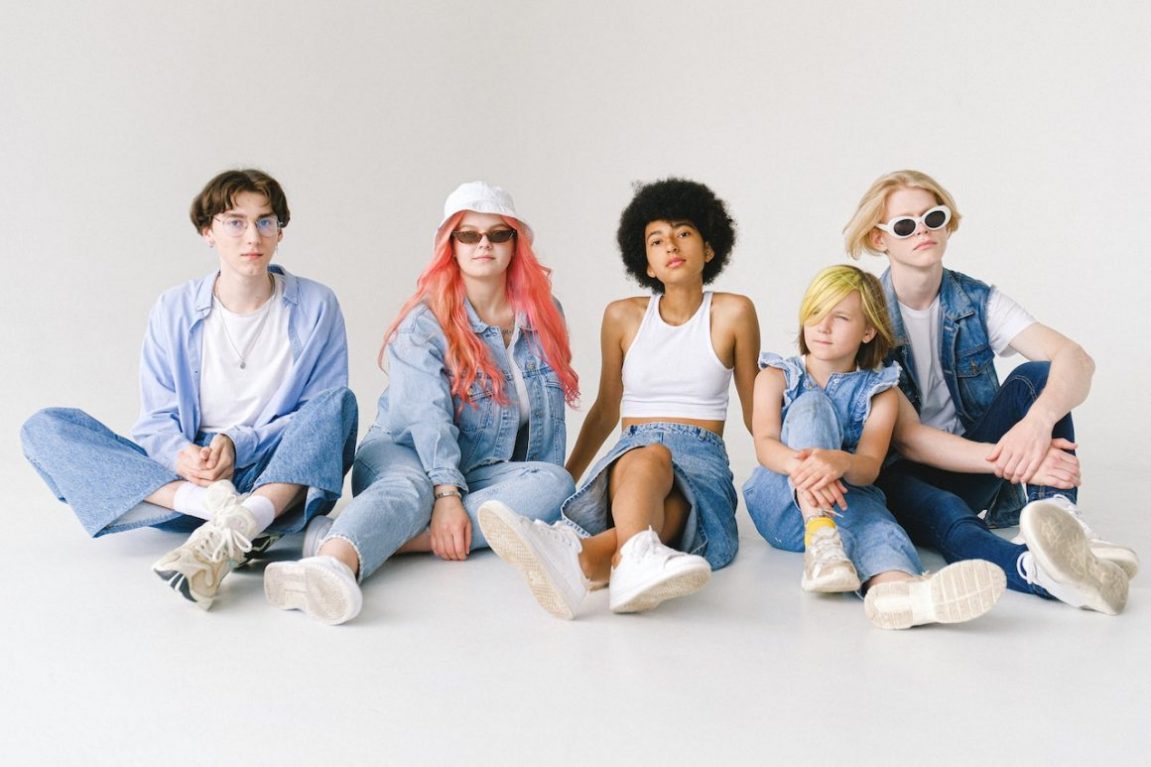
Fashion is not just about clothing; it is a powerful form of communication that conveys personality, status, and creativity. Across centuries, people have used fashion to express individuality, align with cultural movements, and adapt to changing lifestyles. Today, fashion stands at the intersection of tradition and innovation, playing a crucial role in both personal identity and global culture.
The Roots of Fashion Through History
Fashion has always been a reflection of the times. Ancient civilisations used clothing as a symbol of power and hierarchy. Egyptians wore fine linen to represent purity and wealth, while Roman citizens used togas to distinguish class. In medieval Europe, sumptuary laws dictated what people could wear, ensuring luxury fabrics remained exclusive to royalty and nobility.
The Renaissance era introduced grandeur with voluminous dresses, lace collars, and intricate embroidery. By the 18th century, powdered wigs, corsets, and embellished gowns dominated aristocratic fashion. The Industrial Revolution then transformed the landscape by introducing mass production, making fashionable garments more accessible to wider society.
Fashion in the 20th Century
The 20th century was revolutionary in shaping modern fashion. Each decade marked a shift in cultural attitudes and styles:
-
1920s: The Jazz Age embraced flapper dresses, shorter hemlines, and a spirit of liberation.
-
1940s: Wartime restrictions introduced practical yet elegant utility clothing.
-
1950s: Femininity returned with full skirts, fitted bodices, and glamorous eveningwear.
-
1970s: A celebration of individuality brought bell-bottoms, disco fashion, and bohemian influences.
-
1990s: Minimalism and grunge challenged conventional glamour, favouring denim, slip dresses, and oversized styles.
These changes highlighted how fashion was influenced by politics, music, and social movements.
Fashion in the Digital Age
Technology has reshaped how people consume and engage with fashion. Social media platforms have turned trends into viral phenomena, while online shopping offers global access to clothing. Fashion cycles have accelerated, with styles moving from runways to wardrobes faster than ever before.
Modern Fashion Characteristics
-
Sustainability at the forefront: Consumers now demand eco-friendly materials, slow fashion, and ethical production.
-
Inclusivity and diversity: Fashion is more representative, celebrating different body types, ethnicities, and identities.
-
Blending tradition with modernity: Cultural attire often inspires contemporary designs, creating a globalised fashion identity.
-
Tech-driven experiences: Virtual try-ons, augmented reality, and digital garments are shaping a new fashion frontier.
The Power of Personal Style
While trends come and go, personal style is timeless. Developing a wardrobe that reflects individuality ensures lasting confidence.
Tips for Creating a Distinctive Wardrobe
-
Choose versatile basics like a crisp white shirt, denim jeans, and a well-tailored blazer.
-
Incorporate seasonal pieces sparingly to stay current without overwhelming your core style.
-
Accessorise smartly with belts, jewellery, or statement shoes to add character.
-
Stay authentic by wearing what makes you comfortable rather than blindly following trends.
Fashion as Cultural Exchange
Fashion acts as a bridge between cultures. Global designers often draw inspiration from traditional attire such as saris, qipaos, or kilts, reinterpreting them for modern audiences. This fusion enriches fashion while promoting cultural appreciation and diversity.
The Future of Fashion
The fashion industry is heading towards a future shaped by sustainability and technology. Biodegradable fabrics, 3D-printed clothing, and virtual fashion shows are becoming more common. At the same time, movements advocating ethical production are pushing brands to adopt greener practices. Digital wardrobes may also rise, allowing individuals to showcase outfits in virtual spaces while reducing physical consumption.
FAQs about Fashion
How does fashion influence confidence?
Clothing choices can significantly impact how individuals feel and how others perceive them. A well-tailored outfit often boosts self-esteem and leaves a lasting impression.
Is sustainable fashion more expensive?
While eco-friendly garments may have higher upfront costs, they are often longer-lasting and reduce environmental harm, making them a worthwhile investment.
What role does fashion play in professional life?
In the workplace, fashion communicates professionalism and competence. Dressing appropriately for interviews or meetings can strengthen credibility.
Can fashion be considered art?
Yes. Fashion combines creativity, design, and craftsmanship. Runway collections and couture pieces are often seen as wearable art, blending aesthetics with functionality.
What is the impact of technology on fashion’s future?
Technology will continue to revolutionise fashion through digital fashion shows, smart textiles, and personalised shopping experiences driven by artificial intelligence.
