
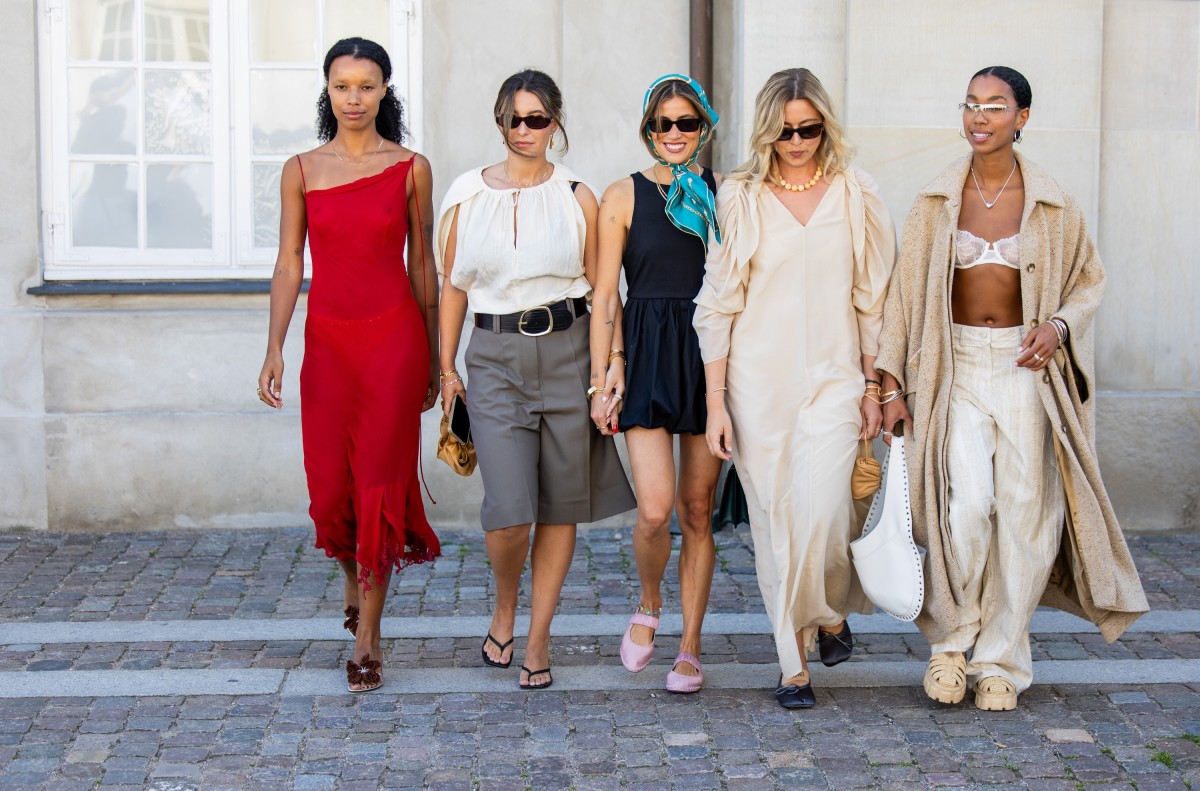
Fashion is more than just clothing; it is a cultural language that reflects identity, creativity, and societal change. Throughout history, fashion has evolved as a response to lifestyle, politics, technology, and global influences. Today, it continues to play a vital role in how individuals express themselves. Understanding the essence of fashion requires exploring its historical roots, current trends, and future directions.
The Historical Influence of Fashion
Fashion has always mirrored the values of society. In ancient civilisations, clothing symbolised class and status. Egyptians wore linen garments to reflect wealth and spirituality, while Romans popularised tunics and togas as a sign of social standing. The Middle Ages introduced elaborate gowns, cloaks, and accessories reserved for nobility, while peasants were confined to simple, practical clothing.
By the Renaissance period, Europe became a hub of luxurious fabrics, rich embroidery, and structured silhouettes. The 18th century introduced powdered wigs, corsets, and elaborate gowns, representing prestige and aristocracy. The 19th century then brought industrialisation, making fashion more accessible, with mass-produced textiles shaping everyday wardrobes.
The 20th Century: A Revolution in Style
The 20th century redefined fashion through experimentation and innovation. Each decade carried its unique style:
-
1920s: The “flapper” dress symbolised women’s liberation, featuring shorter hemlines and loose fits.
-
1950s: Post-war optimism brought elegant dresses, cinched waists, and polished glamour.
-
1960s: Youth culture inspired bold colours, mini skirts, and psychedelic prints.
-
1980s: Power dressing emerged, marked by shoulder pads and sharp tailoring.
-
1990s: Minimalism, denim, and streetwear set new standards for casual dressing.
This period demonstrated how fashion was no longer just functional but a form of rebellion, empowerment, and artistry.
Fashion in the Digital Age
Today, fashion thrives on innovation, technology, and cultural diversity. Social media platforms, influencers, and fast-changing trends have accelerated the fashion cycle. What once took months to enter mainstream culture can now trend overnight. Globalisation has also allowed styles from different cultures to merge, creating hybrid fashion identities.
Key Characteristics of Modern Fashion
-
Sustainability: A growing awareness of environmental issues has pushed brands and consumers to embrace eco-friendly fabrics, ethical production, and recycling initiatives.
-
Inclusivity: Fashion is no longer defined by one standard of beauty. Designers now celebrate diversity in body shape, ethnicity, gender identity, and age.
-
Personalisation: Customised clothing and styling are increasingly popular, allowing individuals to curate wardrobes that reflect personal values and aesthetics.
-
Technology: From digital fashion shows to virtual try-ons, technology has changed how people shop and experience fashion.
Everyday Impact of Fashion
Fashion is not only about luxury runways or designer labels. It affects everyday choices, from office attire to casual wear. Clothes influence confidence, social perception, and even professional opportunities. For example, dressing sharply in interviews often conveys competence and seriousness, while relaxed streetwear may express creativity and individuality.
How to Build a Personal Style
Developing a personal style is about balancing individuality with practicality. While trends can inspire, a personal wardrobe should reflect comfort, lifestyle, and personality.
Steps to Curate a Distinctive Look
-
Identify Core Colours: Neutral shades such as black, navy, and beige are versatile, while bold accents add personality.
-
Invest in Staples: A tailored blazer, quality denim, and a classic white shirt never go out of style.
-
Experiment with Accessories: Scarves, watches, and statement jewellery can transform simple outfits.
-
Balance Trends and Timeless Pieces: Incorporate seasonal items sparingly while maintaining a foundation of timeless garments.
Fashion as a Cultural Connector
Fashion serves as a bridge between cultures. Traditional garments such as kimonos, saris, and kilts continue to influence contemporary design. This blending of heritage with modern aesthetics enriches global fashion, promoting appreciation and cultural exchange.
The Future of Fashion
The future of fashion will be shaped by technology, sustainability, and inclusivity. Digital fashion, where garments exist only virtually, is gaining popularity in online spaces. Meanwhile, advancements in textile innovation, such as biodegradable fabrics and 3D printing, could redefine how clothing is made and worn. The fashion industry will likely continue shifting towards eco-conscious practices to balance creativity with responsibility.
FAQs about Fashion
Why is fashion important in everyday life?
Fashion influences confidence, mood, and perception. What people wear often communicates personality, profession, and social identity before words are even spoken.
How does fashion impact the environment?
Fashion contributes to pollution and waste through fast production cycles. However, sustainable practices like upcycling, organic fabrics, and second-hand shopping are helping reduce this impact.
What is the difference between style and fashion?
Fashion refers to global trends that evolve seasonally, while style is personal and unique to an individual. Style remains consistent, even as fashion changes.
How can someone keep up with fashion trends without overspending?
Mixing affordable high-street clothing with timeless investment pieces is effective. Following seasonal sales, exploring second-hand shops, and repurposing older garments are practical strategies.
Will digital fashion replace physical clothing?
Digital fashion is unlikely to replace physical clothing entirely but will play a significant role in virtual environments such as gaming, social media, and online communities. It represents a new dimension of creativity rather than a substitute for real clothing.
