
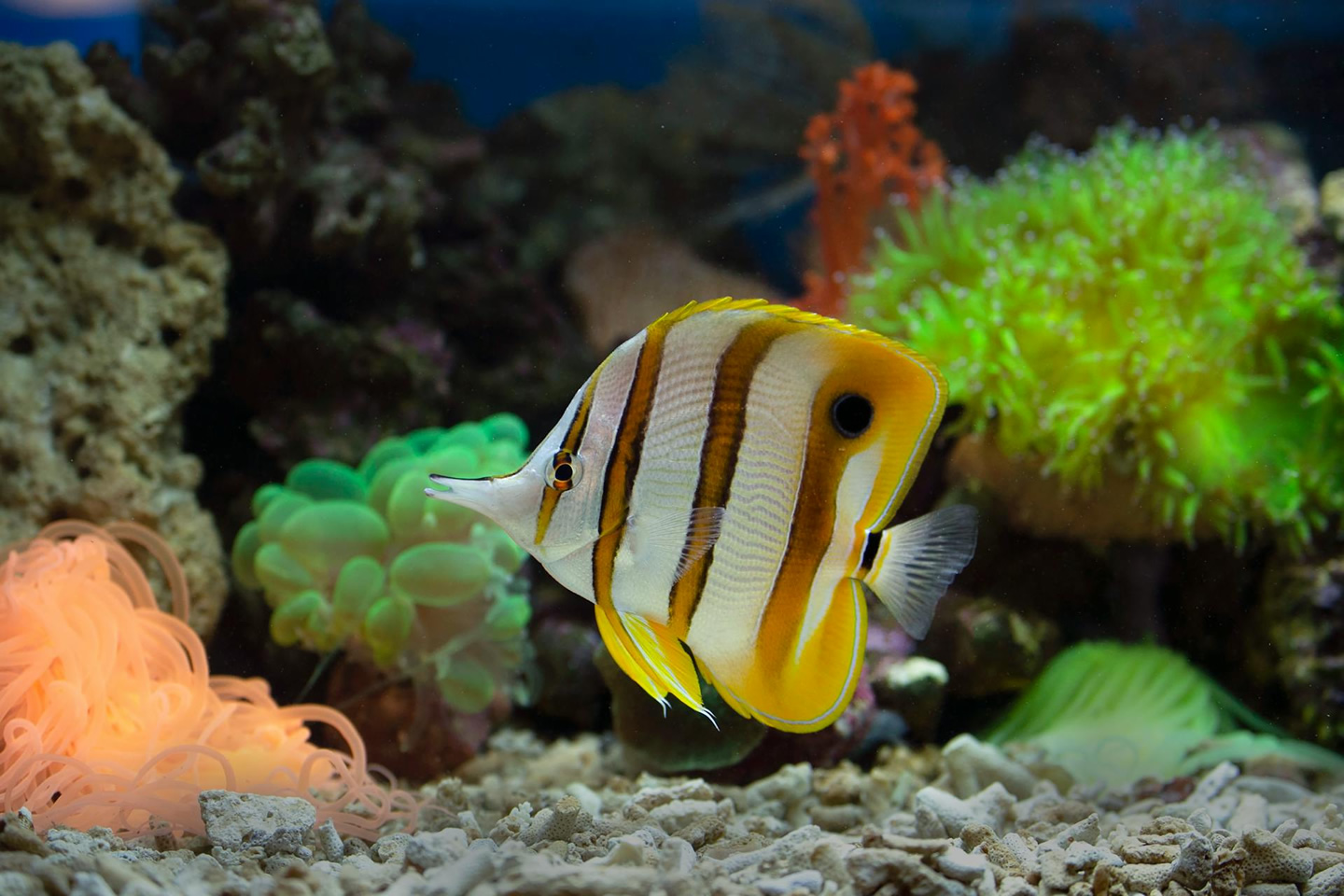
For centuries, people have been captivated by the serene beauty of fish gliding effortlessly through water. Keeping fish as a hobby offers a unique blend of relaxation, creativity, and learning, making it a rewarding pastime for people of all ages. Whether you’re drawn to the tranquil movements of goldfish in a garden pond or the vivid colours of tropical species in a home aquarium, fishkeeping can bring both calm and fascination into your daily life.
Why Fishkeeping is So Popular
Fishkeeping isn’t just about decoration—it’s a living, evolving art form. Watching fish can be calming, helping to reduce stress, while maintaining an aquarium can provide a satisfying sense of responsibility and achievement. It’s also highly customisable: aquariums can be designed to fit into any space, from small desktop tanks to impressive centrepieces in a living room.
Unlike some pets, fish are relatively low-maintenance in terms of handling and exercise, but they still require proper care, planning, and attention to detail to thrive.
Mental Health and Wellbeing Benefits
The gentle, rhythmic movement of fish through water has been shown to have a soothing effect on the mind, making aquariums a valuable tool for stress relief and mental wellbeing. Studies suggest that watching fish can help lower blood pressure, reduce anxiety, and promote mindfulness—similar to the benefits of meditation. For many people, tending to an aquarium also offers a sense of routine and accomplishment, which can be particularly comforting during stressful or uncertain times. The ambient sounds of bubbling filters and the soft play of light in the tank can transform a space into a peaceful retreat, offering daily moments of calm in an otherwise busy world.
Unlike some pets, fish are relatively low-maintenance in terms of handling and exercise, but they still require proper care, planning, and attention to detail to thrive. So, with the aid of the experts at Complete Aquatics, let’s explore the world of fishkeeping and aquariums.
Understanding the Basics of Aquariums
At its core, an aquarium is a contained environment designed to mimic natural habitats, allowing fish and aquatic plants to live healthily. The essentials are simple: a tank, water, filtration, aeration, and lighting. However, the details vary depending on the type of aquarium and fish you wish to keep.
Main Types of Aquariums
- Coldwater Aquariums
- Ideal for beginners, these aquariums house species that thrive at room temperature.
- Common fish include goldfish, white cloud mountain minnows, and certain varieties of danios.
- No heater is required, but a good filter is essential to keep the water clean.
- Tropical Freshwater Aquariums
- The most popular choice for hobbyists, offering an incredible range of colourful and interesting species.
- Popular fish include guppies, tetras, angelfish, and corydoras catfish.
- Requires a heater to maintain temperatures typically between 22–28°C.
- Marine Aquariums
- Suitable for more experienced keepers due to the precise water chemistry required.
- Home to stunning saltwater species such as clownfish, gobies, and dwarf angelfish.
- Requires specialist equipment, including protein skimmers, marine salt mix, and hydrometers.
Essential Equipment for an Aquarium
Regardless of type, certain pieces of equipment are key to keeping fish healthy and happy.
- Tank: Choose one made from glass or acrylic. Larger tanks are often easier to maintain than small ones, as water conditions stay more stable.
- Filtration System: Removes waste and toxins while circulating water.
- Heater (for tropical tanks): Keeps the water at a stable temperature.
- Lighting: Supports plant growth and showcases fish colours. LED systems are popular for their efficiency.
- Water Conditioner: Neutralises harmful chemicals in tap water, such as chlorine.
- Test Kits: Allow you to monitor pH, ammonia, nitrite, and nitrate levels.
- Substrate: Gravel or sand for aesthetics and plant support.
- Aquarium Décor: Rocks, driftwood, and plants to create a natural, stimulating environment.
- Net & Cleaning Tools: For safe handling of fish and tank maintenance.
Tips for Buying Your First Aquarium
Starting out in fishkeeping can be exciting, but careful planning is key.
- Size Matters – Many first-timers make the mistake of buying a tank that’s too small. A minimum of 60 litres is recommended for beginners, as it’s easier to maintain stable water conditions.
- Research Your Fish First – Different species have different needs and behaviours. Avoid mixing aggressive and timid species in the same tank.
- Budget for Equipment – The initial setup cost is more than just the tank; include filters, heaters, lighting, and water treatments.
- Check for a Solid Stand – Tanks are heavy when filled; ensure you have a sturdy base.
- Location – Place the aquarium away from direct sunlight to avoid excessive algae growth and temperature fluctuations.
- Start Slow – Add fish gradually to allow the filter system to establish beneficial bacteria (a process known as cycling).
The Joy of a Living Display
An aquarium is more than just a decorative feature—it’s a living ecosystem that changes and grows over time. With the right care, your fish will thrive, and you’ll enjoy a constantly evolving display of life and colour in your home. Whether you stick with a simple goldfish bowl or dive into the vibrant world of tropical species, fishkeeping offers a peaceful and rewarding escape from the hustle and bustle of everyday life.
